
Meet Alex Juras, Digital & Commercial Counsel at Diageo, where he helps drive the responsible adoption of generative AI across one of the world’s leading premium drinks businesses. Working at the intersection of innovation, governance, and regulation, Alex focuses on enabling AI at scale while managing legal, regulatory, and reputational risk.
We caught up with Alex to discuss why legal teams shouldn’t be seen as barriers to AI adoption, how effective AI governance creates confidence rather than friction, and what the most successful legal teams will be doing differently as AI becomes embedded across the business.
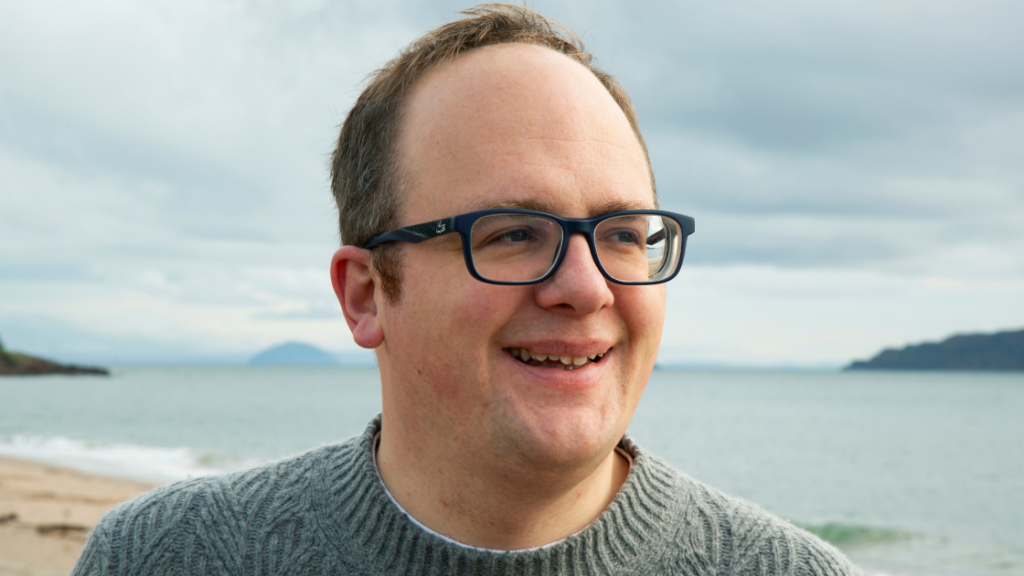
Photo: Alex Juras
Your session challenges the idea that legal teams slow down AI adoption. Why do you think that perception persists, and what have you seen in practice?
In many ways, it’s the same perception that in-house lawyers have been fighting throughout my career: The idea that we are here to just say “no” to great ideas. In my experience, that perception usually comes from seeing Legal as the keeper of a stage gate, or the granter of “approval”, and from bringing lawyers into projects too late.
This is why I’ve always tried to get involved early. Whether it’s the concept stage of a marketing campaign, or the problem solving stage of AI adoption. In a highly regulated industry, the biggest barrier to AI adoption isn’t our existing regulation – it’s uncertainty. People want to know what they can do, what they shouldn’t do, and where they need additional oversight. Once those guardrails are in place, adoption accelerates because people have the confidence to use the technology responsibly.
In a highly regulated industry like alcohol, how do you determine where generative AI can be used safely and where additional oversight is needed?
The starting point is recognising that generative AI isn’t the risk. The use case determines the risk.
Using AI to summarise a document, generate alt text for images or support internal productivity presents a very different risk profile from using AI to generate consumer-facing claims or marketing assets.
So rather than trying to govern AI as a single technology, we’ve found it much more effective to assess the context: Who is the audience? What decision is AI supporting? What are the legal, regulatory and reputational consequences if something goes wrong? That allows governance to be proportionate, enabling low-risk use cases to move ahead quickly, while applying greater oversight where it genuinely matters.
As AI continues to evolve, what do you think the most successful legal teams will be doing differently 3–5 years from now?
I think the role of legal will continue to shift from writing policies and rubber stamping approvals, to designing operating models.
Publishing an AI policy is only the starting point. The real challenge is embedding responsible AI into the way the work actually gets done, whether that’s through practical guidance, workflows, training, governance forums or just clear decision-making.
The most successful legal teams will spend less time acting as reviewers at the end of a process and more time designing systems that help the business make good decisions from the outset. I think this means they’ll be measured not just by how well they manage risk, but by how proactively they enable innovation.
From your perspective, what are the most important lessons legal teams can learn from consumer brands when it comes to driving AI adoption at scale?
Consumer brands have always had to innovate within constraints. They’re used to balancing creativity with regulation, reputation and consumer trust. AI is simply the latest example of that challenge.
One of the biggest lessons is that governance should be designed around how people actually behave, not how policies are written. Clear, practical guardrails give people the confidence to adopt new technology responsibly. Without that clarity, AI use either stalls because people are uncertain, or it happens anyway without the right oversight.
Ultimately, responsible AI isn’t about saying “no” more often. It’s about creating the confidence to say “yes” in the right situations. That’s where I think legal teams can make the biggest difference.
Hear Alex Juras live at Legal Geek Conference 2026 (14-15 October, London), alongside 250+ speakers from across the legal industry and beyond.